Side effects of the nasal flu vaccine. The most common side effect of the flu shot for both children and adults is soreness at the injection site.
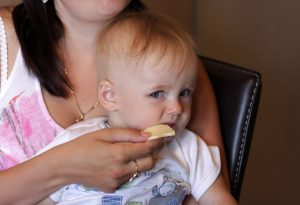
Soreness redness andor swelling from the shot.

Side effects of flu vaccine in babies. Children may also be more fussy than usual. Redness swelling pain or tenderness where the shot is given and fever loss of appetite fussiness irritability feeling tired headache and chills can happen after PCV13. Children particularly those who havent been exposed to the flu virus may develop a low fever and feel achy and tired.
The nasal flu vaccine cant cause flu in children with a healthy immune system. Common Flu Nasal Spray Reactions. If they do happen its within a few minutes to a few hours after you get the shot.
Serious side effects are rare. A runny or blocked nose. Allowing your child to have the flu vaccine is the best way to protect them and your family from flu.
All adult flu vaccines are given by injection into the muscle of the upper arm. Soreness redness or discomfort in the injection site. Common side effects of the flu vaccine include soreness at site of vaccination headache fever nausea and muscle aches.
That said your baby may experience mild side effects including low-grade fever aches and soreness or redness near the injection site. Flu vaccines are very safe. Flu-like symptoms such as.
While rare allergic reactions can sometimes occur including potentially life-threatening anaphylaxis. You can take medicine to help with any pain or to lower a fever. Common vaccine side effects may include.
After the shot is given you may have soreness redness warmth and in some. The most common side effects are mild and include. Most side effects are mild and do not last long such as.
It can take 10 to 14 days for the flu vaccine to work. Every year with a few exceptions the composition of the vaccine changes to protect against the current most common or most deadly circulating flu viruses. If your child has the injected flu vaccine side effects include.
Some children get a fever temperature after the vaccine. It is usually mild and goes away on its own. Redness or swelling at the site of the shot.
Side effects of the childrens flu vaccine. These symptoms only last a day or two. Not everyone should get the nasal flu spray due to factors like age.
Redness soreness or swelling in the arm or leg where the vaccine was given. Acute disseminated encephalomyelitis ADE is a rare but severe side effect of the flu shot and several other vaccines including rabies diptheria and polio. If there is significant swelling redness pus fevers or.
Common side effects in babies following PCV13 vaccination can include. If your child has a fever or a headache you can give them paracetamol or ibuprofen. If there is facial swelling breathing difficulty vomiting hives dizziness rapid pulse or fainting call 911 or go to your nearest emergency room immediately.
If you see any of these signs get emergency help. A sore arm where the injection was given. These symptoms can last up to two days.
A runny or blocked nose. Most side effects are mild and only last for a day or so such as. Common side effects from the flu shot include.
Even so children and adults can have minor side effects of the flu shot including. Call your doctor right away if you have trouble breathing hives feel weak or. A slightly raised temperature.
Children who developed narcolepsy after being given the swine flu vaccine were affected by such serious sleep-disorder related conditions that some were initially thought to be suffering from. PCV13 vaccine side effects Pneumococcal Conjugate Vaccine What are the risks from PCV13. Flu vaccine side effects.
According to a 2008 study in the Journal of Clinical Neuroscience ADE usually occurs in children including infants. The flu vaccine protects against three or four strains of influenza. Another side effect to watch for is localized infection at the site of the injection.
The most common side effect of the flu shot is a reaction at the injection site which is typically on the upper arm. Side effects of the flu vaccine are generally mild and go away on their own within a few days. The nasal spray flu vaccine for children is very safe.
This localized reaction is the most common side effect. Potential nasal spray side effects include runny nose wheezing headache vomiting muscle aches fever sore throat and cough. The subsequent doses are given at 4 months 6 months and between 12 to 15 months.
If immunization rates drop vaccine-preventable diseases might once again become common threats. Common side-effects only seem to occur in 1 in 10 babies and can include pain and swelling at the injection site fever more common after the second or third dose.
 Top Myths About Immunisation Peninsula Health
Because of community immunity vaccines help keep your childs younger siblings older family members and.

Common vaccines for babies. A vaccine is a biological preparation that improves immunity to a particular diseaseA vaccine typically contains an agent that resembles a disease-causing microorganism and is often made from weakened or killed forms of the microbe or its toxins. From age 4 to 6 your child will need booster shots for DPT IPV MMR and chickenpox. Children need vaccinations against many diseases.
Learn which vaccines are recommended for your childs age from birth through 18 years as well as during pregnancy. And immunizations are not just for children. Four vaccinations for pneumococcal disease a common cause of ear infections and pneumonia.
Vaccines are the best way we have to. This protects them while their immune systems are still developing and prevents them from getting serious diseases. A vaccination for hepatitis A is recommended for all children.
Protection from some childhood vaccines can wear off over time. This is a list of vaccine-related topics. Children should also start receiving a yearly flu shot after age 6 months.
Infants children adolescents teens and adults need different vaccinations depending on their age location job lifestyle travel schedule health conditions or previous. This list of common misconceptions was originally written by the Centers for Disease Control and Prevention in the United States primarily for use by practitioners giving vaccinations to children in their practices. The information on this page is a general guide to immunisations for children aged 0 to 19 years.
Over the years these vaccines have prevented countless cases of disease and saved millions of lives. An edited version is reproduced here as useful information for health-care workers giving vaccination as well as concerned parents. For some children including those who cant receive certain vaccines for medical reasons such as cancer therapy the only protection from vaccine-preventable diseases is the immunity of the people around them.
Get the WebMD list of the top 10 vaccine-preventable diseases including measles whooping cough flu polio pneumococcal disease meningococcal disease mumps Hib tetanus and hepatitis B. Vaccinations for Infants and Children Age 010 Years Getting your child vaccinated on time will help protect him or her against 1 5 vaccine-preventable diseases. Hib vaccine protects against Haemophilus influenzae type b Hib a type of bacteria that causes an infection in the brain and spinal cord that can damage a babys brain and hearing.
Offer breastmilk or formula more often. Vaccination is one of the best ways parents can protect infants children and teens from potentially harmful diseases. The two most common symptoms are diarrhoea and vomitingRotavirus can lead to a serious bowel infection and dehydrationThe rotavirus vaccine offers protection to your child.
The Importance of Vaccines for Children. Vaccines are available for these 17 dangerous or deadly diseases. Vaccines for adults increasing opportunities for health.
Ask your childs healthcare provider if your child is up to date with all recommended vaccines. Most adults think only of the tetanus booster recommended every 10 years and even then many adults only get the vaccine if they injure. Vaccine hesitancy is more common among pregnant people and its understandable that anyone thinking about trying for a baby might also be worried.
Getting childhood vaccines means your child can develop immunity protection against diseases before they come into contact with them. Pay extra attention to your baby for a few days. Historically vaccines were deemed to be only for children However vaccines for adults are becoming increasingly common and necessary.
Rotavirus is a highly infectious virus that is a common cause of gastroenteritis in babies. Read the Vaccine Information Sheets your babys doctor gave you to learn about side effects your baby may experience. And did you know that getting your child vaccinated also protects others.
Vaccines help protect infants children and teens from serious diseases. Vaccination is one of the best ways parents can protect infants children and teens from 16 potentially harmful diseases that can be very serious may require hospitalization or even be deadly. Rotavirus is the most common cause of infectious childhood diarrhea and has historically one of the biggest.
It is normal for some babies to eat less during the 24 hours after getting vaccines. With high vaccination rates it is now rare for children in the United States to experience the devastating and often deadly effects of some infectious diseases that were once common in the United.
Teens and adults should also be up to date on their MMR vaccination. Children may also get MMRV vaccine which protects against measles mumps rubella and varicella chickenpox.
 Pin On Parenting Articles
By the time a child is 1 year old these antibodies are almost gone and the MMR vaccine will be effective.
Mmr vaccine for babies. The first dose is generally given to children around 9 months to 15 months of age with a second dose at 15 months to 6 years of age with at least 4 weeks between the doses. Researchers must figure. Children should get two doses of MMR vaccine starting with the first dose at 12 to 15 months of age and the second dose at 4 through 6 years of age.
A child should receive the first shot when they are between 12-15 months and the second when theyre between 4-6 years of age. For infants. Learn what you need to know about vaccinating your children.
Test for HBsAg and anti-HBs at age 912 months. MMR is another combo vaccine that protects against measles mumps and rubella. Children receive a bevy of vaccines before age two roughly overlapping with when children with autism spectrum disorder may noticeably develop symptoms such as the inability to gain new skills.
However autism is a neurodevelopmental con. The MMR vaccine is a vaccine against measles mumps and rubella German measles. The MMRV is the same as the MMR except that it also includes protection against the varicella virus which causes chicken pox.
Most of the time these reactions are. This helps protect them for a short time against measles mumps and rubella. Skip directly to site content Skip directly to page options Skip directly to A-Z link.
Hepatitis B HepB 2 nd dose Diphtheria tetanus and whooping cough pertussis DTaP 1 st dose Haemophilus influenzae type b disease Hib 1 st dose Polio IPV 1 st dose Pneumococcal disease PCV13 1 st dose. Parents learn about vaccines for your children including which vaccines are recommended by age vaccine safety vaccine-preventable diseases and more. Mumps can infect many parts of your childs body and usually causes inflammation of his or her parotid glands.
The MMR vaccine is an injection given to help prevent measles mumps and rubella. If you have not previously had 2 doses of MMR you can still ask your GP for the vaccine. At 1 to 2 months your baby should receive vaccines to protect them from the following diseases.
The MenACWY vaccine which protects against serious infections like meningitis. MMR is a two-shot series of vaccines usually given during childhood. Administer HepB vaccine and hepatitis B immune globulin HBIG in separate limbs within 12 hours of birth regardless of birth weight.
Now children are vaccinated against it at 2 months 4 months between 6 and 18 months and between 4 and 6 years. Measles mumps and rubella German measles. What vaccines will my baby get.
This vaccine was a huge development in the battle to prevent these. 2 doses of the MMR vaccine as there are outbreaks of mumps and measles at universities. The MMR vaccine introduced in the United States in 1971 helps prevent the measles the mumps and rubella German measles.
You can also protect your child against chicken pox with the MMRV vaccine. The MMR vaccine protects your child against three viruses. Coronavirus Updates The first COVID-19 vaccines to hit the market will not be approved for use in children.
This vaccine is only licensed for use in children who are 12 months through 12 years of age. All babies should get the first shot of hepatitis B vaccine within first 12 hours after birth. You can still ask your GP for this vaccine until your 25th birthday.
Measles causes a skin rash to appear on your childs head and upper neck. Newborn babies have antibodies passed on from their mother at birth. A COVID-19 Vaccine For Children May Still Be Many Months Away.
These antibodies make the MMR vaccine less effective if its given to a newborn. Vaccines protect your child from serious diseases like polio measles and whooping coughBut like all medicines they can sometimes come with side effects. A report published in 1998 but subsequently retracted by the journal suggested that measles mumps and rubella MMR vaccine causes autism.
Vaccines represent only a minor stimulation of the infant immune system compared to the large number of potentially dangerous bacteria and viruses babies routinely encounter. The rash may slowly spread to your childs hands and feet. This shot acts as a safety net reducing the risk of getting the disease from you or family members who may not know they are infected with hepatitis B.
Autism is a developmental disability that can cause significant social communication and behavioral challenges.
Its also offered to those thought to be at increased risk of hepatitis B or its complications. Known or Presumed Hepatitis B Exposure.
 Pin On Disease Prevention Poster
It is also recommended that health-care workers be vaccinated.

Hepatitis b vaccine babies. The level of anti-hepatitis B surface antigen antibodies in children with a birth weight 2000 g was higher than in those w. Recommends that children should get their first hepatitis B vaccine at birth and complete the doses by 6 to 18 months of age. The hepatitis B vaccine is also recommended for adults living with diabetes and those at high risk for infection due to their jobs lifestyle living situations or country of birth.
The hepatitis B vaccine is very safe. Since the vaccine protects a person for life giving your baby the shot at birth and completing the whole series means youll never have to worry that your baby will become infected with the hepatitis B virus. All babies should get the first shot of hepatitis B vaccine within first 12 hours after birth.
If a newborns mother carries the hepatitis B virus in her blood the baby must get the vaccine within 12 hours after birth. Babies should also receive a booster dose of hepatitis B vaccine at 12 months of age at which. The AAP recommend that newborns receive their first dose of the hepatitis B vaccine within the first 24 hours of their life.
However the HBV vaccine is still recommended for all children if they. The hepatitis B vaccine is given to prevent the severe liver disease that can develop when children or adults are infected with hepatitis B virus. It is also recommended for adults who live in areas that have a high rate of hepatitis B disease or who may be at increased risk of infection from hepatitis B virus.
A third dose is usually given by 6 months but can be given up to 18 months. The vaccine doses at 8 12 and 16 weeks of age are given as part of the 6 in 1 jab for the routine childhood immunisations so there is no extra jab for hepatitis B protection. Three doses 5 mcg each IM on a 0 1 and 6 month schedule.
The first dose is given within 24 hours of birth. This includes those with poor immune function such as from HIVAIDS and those born premature. Administration of hepatitis B vaccine and hepatitis B immune globulin HBIG for infants born to HBV-infected women within 12 hours of birth followed by completion of the vaccine series and postvaccination serologic testing.
One reason for this is that it is. And when a mother who has the infection is also treated the likelihood of the baby getting hepatitis B is between just 07 to 11. Hepatitis B vaccine is a vaccine that prevents hepatitis B.
The majority of preterm infants 984 responded well to hepatitis B vaccination given at intervals of 0 1 2 and 12 months and developed a protective level of antibodies. A second dose is given at 1 to 2 months. The baby also needs another shot hepatitis B immune globulin HBIG to provide protection against the virus right away.
The first dose is recommended within 24 hours of birth with either two or three more doses given after that. This shot acts as a safety net reducing the risk of getting the disease from you or family members who may not know they are infected with hepatitis B. Usual Pediatric Dose for Hepatitis B Prophylaxis.
Hepatitis B is generally considered an adult disease because its often transmitted through unsafe sex and shared needles. For babies receiving the pentavalent vaccine the first monovalent dose of the hepatitis B vaccine is given within 24 hours of birth and the second and third doses of the HBV vaccine will be included in dose 1 and dose 2 of the pentavalent vaccine. But many people who get it including children dont engage in these high-risk behaviors.
On its own the vaccine is 75 to 95 percent effective in preventing mother-child transmission when given within 24 hours of birth. Babies are routinely given a dose of the hepatitis B vaccine within 24 hours of birth. If your babys mother has hepatitis B your baby will get the vaccine within 12 hours of birth.
Pregnant women who are screened and test positive for hepatitis B may be given antiviral therapy and their babies are given an immunoglobulin a protein that acts as an antibody and the vaccine at birth. The Centers for Disease Control and Prevention CDC recommends that all babies get the hepatitis B vaccine. The hepatitis B vaccine is given as a series of three shots.
In healthy people routine immunization results in more than 95 of. Immunization against hepatitis B disease is recommended for all newborn babies infants children and adolescents up to 19 years of age. The hepatitis B vaccine HepB protects your child against the hepatitis B virus which can lead to liver damage and even death.
The hepatitis B vaccine is a safe and effective vaccine that is recommended for all infants at birth and for children up to 18 years. Its offered to all babies at 8 12 and 16 weeks of age. According to the AAP when the vaccine alone is given during the first 24 hours after birth it is 75 to 95 effective in preventing hepatitis B transmission when the mother has the infection as well.
Hepatitis B vaccination is routinely available as part of the NHS vaccination schedule. Making sure babies get the birth dose hepatitis B vaccine is critical to eliminating hepatitis B. Three doses 10 mcg each IM on a 0 1 and 6 month schedule.
Hepatitis B containing vaccine at birth 4 8 12 and 16 weeks of age. The Advisory Committee on Immunization Practices ACIP recommends.

